
Health Wealth Upakut Yant Write Bronze Buddha Statue Watsutad Thai Amulet 15004
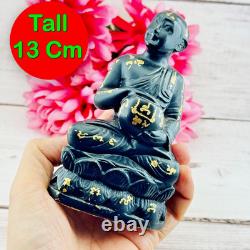
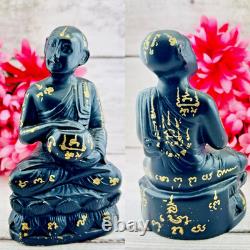
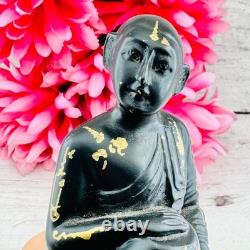
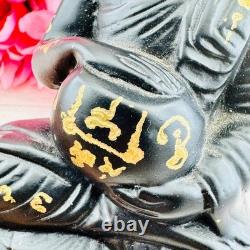
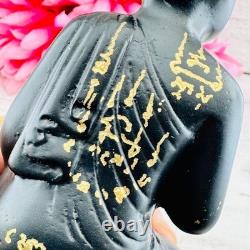
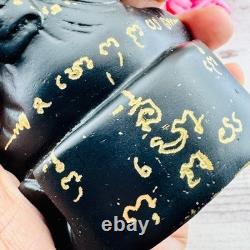
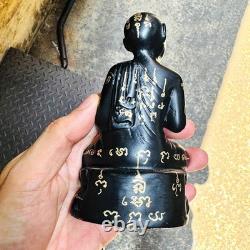
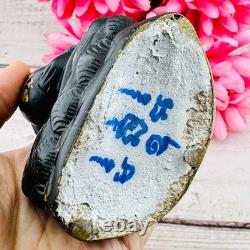
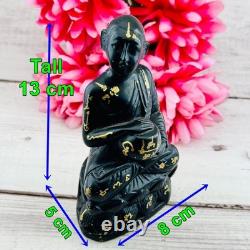
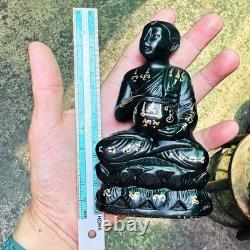

Item : Health Wealth Upakut Yant Write Bronze Buddha Statue Watsutad Thai Amulet 15004. PHA KING JAKA PHAT(EMPORER OF STATUE), SACRED RECEPI OF METAL MIXED, REMIND 155TH ANNIVERSARY OF WAT SUTAD TEMPLE.
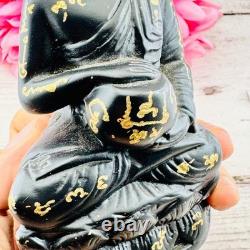
MASS CHANT 108 MONKS IN CEREMONY. HAND WRITE INSCRIBING HOLY YHAN UNIQUE DESIGN. THIS STATUE UPAKUT (EATING FROM BOWL) IS MEANING OF WEALTH. Creator /: WAT SuTad 108 Famous Monks Group.
Main Material : Bronze Metal mixed. Good Effective for : Healthy: Fast get well from sick, Good health, Strong. Size : See on photo, if not clear please Message me. FrameCase : As Show on listing, if not show please Message me. Vintage Original, item has write hand's sign Alphabet Yhan. Phra Kring & Nawaloha - Wat Suthat. Became especially famous during the time of. Somdet Phra Sangkharat (Pae Tissadevo).He studied and preserved ancient metalworking and consecration methods passed down through generations. Means a sacred alloy made from.
Following an ancient Thai formula. The traditional materials include metals such as tin, copper, silver, gold, mercury, zinc, and other sacred metals.Phra Kring made with this traditional alloy is highly respected for its spiritual qualities. According to Thai belief, it can help.
Protect against illness and danger, support good health, bring good fortune, and strengthen one's destiny. It is also traditionally used in Buddhist ceremonies for making.Phra Kring from the Wat Suthat tradition is highly valued by Thai amulet collectors for its. History, sacred metal formula, craftsmanship, and spiritual tradition.
This is a very fine amulet piece, it was incantation and bless with Good powerful magic. Khata to audio MP3 file If temple give khata with item. Khata is ancient magic spell. So it has no meaning for translate and no need to understand meaning.Khata is a mantras phonetic Praying word to consecrate and control power of this item. In order for the amulet to work it needs the right pronunciation with the Katha. Is any object that is imbued with protective powers, and all cultures have manifestations of such objects.
In the world of Thailand amulet, Many people believe the symbol of Load buddha has the power to ward off evil. That an object that is inscribed with the word of God, image of Lord buddha and religious narratives, symbol and signs, will protect the person who reads, touches, or sees it.
The surface of an amulet and talismans object can be covered with prayers, signs, numbers, and decorative motifs, and the object is carried in a pocket, or rolled and placed in an amulet case; some talismans are worn as clothin. The most efficacious amulet & talismans are those that are inscribed with prayers that remind people to lord Buddha and his narratives.HAN or Yant is Traditional Thai Holy alphabet Tattoo spell. Yant is Originally derived from the Sanskrit word YHAN-TRA is meaning as holy alphabet / letter of magic spell.
Yant is a Sacred geometrical design that provide powers of protection and various blessings through Buddhist psalms and magical formulas. The Buddhist psalms written in Thai or Khmer script around the yant are know as "Khata".
A Khata is also known as Mantra (magic spell) in other meaning, the word Mantra is a Sanskrit word meaning Prayer. For hundreds of years, Thai and Khmer warriors where renowned and feared for the magical markings Yant tattooed on their skin. These markings yant were a mix of Buddhist psalms and prayers, and shamanistic spells and sorcery that had survived the Religious transition from the pre-Buddhist, Hindu era and had been incorporated in the belief system of the newly born Buddhist countries.
Other, more complex and complicated YANT designs such as animals and sacred geometry are seen as advanced talismans for more serious and dedicated believers. If you are a westerner who is looking for your first Yant, 95% of the time it will be one of these designs. Is amulet Statue or figure of simbolic which use for put inside your home or office for make good luck and by catch FENG-SHUI. Feng shui - which literally translates to "wind and water" - is the ancient Chinese art of placement. The goal is to enhance the flow of chi (life force or spiritual energy), and to create harmonious environments that support health, beckon wealth and invite happiness.
Feng Shui and Buddha Statues. Whenever you place any object in your home for a feng shui symbol or remedy, be sure you use the right element. For example, a metal Buddha placed in the northern sector of your home is typically an outstanding choice for location. The same statue placed in the east sector of your home won't have beneficial results. In fact, metal in a wood element sector can impede your feng shui design since metal cuts wood.
Avoid putting a Buddha statue on the floor; this is deemed very disrespectful. If you opt for a Laughing Buddha, don't forget to rub his belly. While this isn't a requirement, many people claim that rubbing Buddha's belly everyday (the fatter the belly the better) will bring luck and prosperity to all in the home. Feng Shui Rules for Buddha Placement. The first thing you want to do when placing a Buddha statue or any statue of a deity is to make sure the location is truly one of reverence. This means you should never place one in a bathroom or kitchen. Also, you want the height of the Buddha to be at least eye level. Looking down at a deity is considered rude and irreverent. Avoid placing near electrical outlets, elect or equipment with moving parts and motors.This type of activity disturbs the surrounding energy. Most Auspicious Location for Your Buddha. Facing the main door: Many feng shui consultants recommend placing the Buddha opposite the main front door of a home on a table that is about thirty inches high.
This location allows Buddha to interact with the chi energy entering your home. From this position, the statue can neutralize any negative chi, and transform it from damaging to very lucky energy. Living room: Buddha is also quite comfortable in the living room.
The best position for Buddha in the living room is facing the front door. On a desk: Students should place Buddha on their desks. This is a perfect location to enlist a little help with lessons and evoke Buddha auspicious energy for fulfilling your academic goals.Office table or reception's desk: For those that own a business, placing Buddha on a reception's desk can help bring prosperity to your company. Meditation garden: This is an ideal area for a Buddha statue. One of the most popular poses is the Meditation Buddha. Buddha altar: If you're Buddhist, then you already have an altar, just make sure you place this altar in your home where meditation and reflection can be practiced. Yoga room: If you practice yoga, then you have a special room or area of a room in your home devote to your exercise.
This is an excellent place for a Buddha statue. Just be sure to place it eye level or higher. Or called as Pha BuaeKem. Historically Phra Upakut (Sanskrit: Upagupta Thera) was a Sarvastivadin Buddhist forest monk who lived in the region of Mathura in Northern India during the time of King Asokas reign third century B. He legend of Phra Upakut was included in the Phra Pa? Hamasambodhikatha, a populair Jataka (Sanskrit; stories of previous births of the Buddha) tale. In addition, the legend of Phra Upakut is also to be found in various Northern Thai manuscripts in which it has been preserved separately. In contemporary Thailand, it is believed that Phra Upakut is still alive, living at the bottom in the midst of.