
Thai Amulet Buddha Phra Kring Srisakkaya Muchalinda Nagaraj Real Silver #48/99
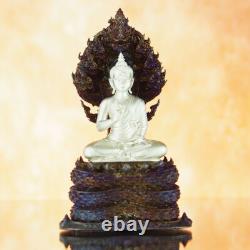
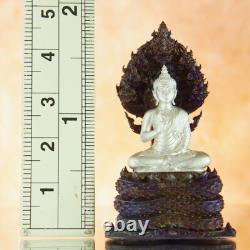
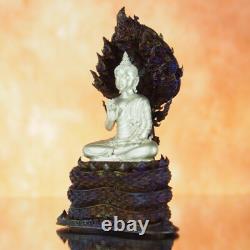
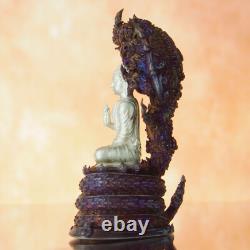
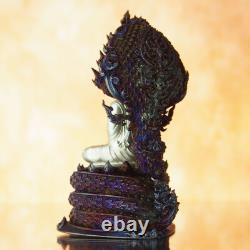
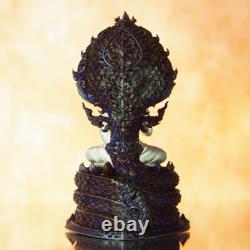
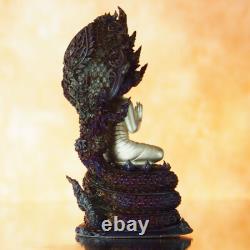
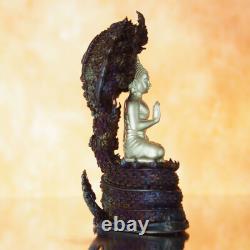
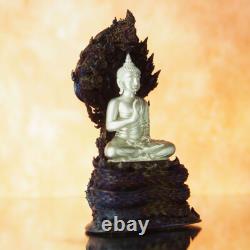
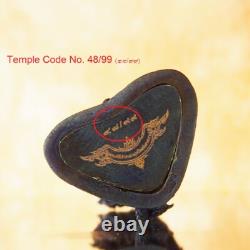
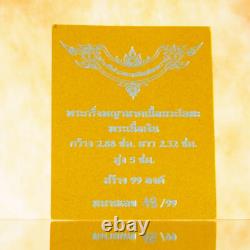

Buddha Phra Kring Srisakkaya Muchalinda Nagaraj. Phra Nak Prok (Buddha with Naga Canopy). Mini Statue Real Silver Wat SaDan BE2562. Phra Buddha in sitting posture on 7-heads Naga.
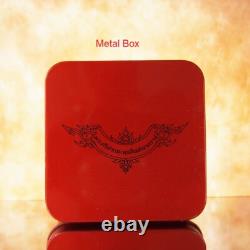
Blessed by Top monks of Wat SaDan, Suphanburi province, Thailand. Buddha - Real Silver/ Naga - Nawa (9 mixed metals). Strongly blessing for Prosperous Fortune and Wealthy, Fulfilling life and better in all aspects in everyday work, Grants wishes and helps you achieve your aims, Strong protection from harm and danger.W28.8 x H5 x D23.2 mm. 47g (117g including Temple case). Phra Nak Prok, or the Buddha with a Naga canopy, is a special type of Buddha statue. It shows the Buddha sitting in a meditative posture, with a Naga (serpent) coiled behind Him.
The Naga has multiple heads, forming a protective hood over the Buddha, symbolizing protection and peace. The story of Phra Nak Prok comes from an episode in the Buddha's life. After the Buddha attained enlightenment, during the sixth week, He went to meditate under a tree called the. At that time, a heavy rainstorm occurred, and a Naga named.Rose from the ground to protect the Buddha by spreading its many heads as a canopy to shield Him from the rain. This is why we see statues of the Buddha with a Naga sheltering Him. The Naga (serpent) : Represents power and protection. It also symbolizes greatness and strength. The Buddha : Represents enlightenment, wisdom, and peace.
The Naga's hood : Symbolizes protection from harm and negative forces, safeguarding the teachings of Buddhism. Phra Nak Prok is highly revered by Thai people and Buddhists, as they believe it brings protection from danger and promotes peace and well-being. History of Phra Kring (Buddha with a Sacred Bead Inside).Phra Kring is a small Buddha statue with a unique feature: inside the statue, there is a tiny metal bead. When shaken, it makes a ringing sound, which is where the name "Phra Kring" comes from.
Phra Kring is believed to be a sacred object in Buddhism, symbolizing protection, health, and prosperity. The origins of Phra Kring come from Mahayana Buddhism in China and Tibet. In ancient times, Phra Kring was created as a talisman to protect against illness and bring good health. In Thailand, Phra Kring was first made during the Ayutthaya period and has been popular ever since, especially during the reigns of King Rama IV and King Rama V. One of the most famous and highly revered Phra Kring in Thailand is the "Phra Kring Wat Suthat, " which was created during the reign of King Rama V.
This Phra Kring was made through sacred rituals, making it very special. Phra Kring is seen as a symbol of the Buddha and is believed to bring relief from suffering, illness, and danger. In some traditions, it is associated with the Medicine Buddha.
, who is believed to have the power to heal both physical and mental illness. Creation and the Sacred Bead. Phra Kring is made by casting metal, and during the process, a small bead is placed inside the statue. In ancient times, creating Phra Kring was considered a sacred ritual, and great care was taken during the casting process. Religious ceremonies were often performed to ensure that the Phra Kring would be blessed and carry strong spiritual power. History of Navaloha (Nine Sacred Metals). Navaloha is a special metal alloy made from nine different metals. In Buddhism and the creation of sacred objects like amulets or Buddha statues, Navaloha is considered highly sacred and important. It is believed that combining the nine metals brings together the unique properties of each metal, enhancing the power and sanctity of the sacred items made from it. Navaloha has been used in the making of Buddha statues and amulets since ancient times, including the Sukhothai, Ayutthaya, and Rattanakosin periods. Creating Buddha images using Navaloha has been a popular practice because this material is believed to carry strong spiritual power. Each metal used in the alloy is considered to have auspicious meanings, and the metals are often blessed through religious rituals before being cast into sacred objects. The Nine Metals in Navaloha. Navaloha is made from nine different metals, each with special properties and auspicious meanings. Gold: Symbolizes wealth and prosperity. Silver: Represents purity and sacred power. Copper: Stands for strength and endurance. Mercury: Signifies transformation and adaptability. Zinc: Known for its protective properties. Blue Lead Ore (Chalcanthite): Believed to ward off evil. Iron from Namphi (a sacred source of iron): Symbolizes courage and toughness. Tin: Represents growth and success. Lead: Symbolizes protection and safety from harm. Navaloha is regarded as one of the most powerful materials for making Buddha statues or amulets. Each of the nine metals has its own auspicious qualities, and when combined, they enhance each other's power. The process of creating sacred objects from Navaloha involves religious rituals to further bless and empower the items, making them spiritually potent and highly revered. The sacred amulets should be placed in suitable places, placing them on the floor, under a table or a chair, in a bathroom, or on the lawn is considered contempt to religious objects. The color of the actual items may slightly different from the images due to different computer screen.